
Graft estimate, not guesswork
A follicle-density model reads your recession pattern and returns a realistic graft range per zone.
Upload a scalp photo and our AI estimates graft count, density and coverage — with a before / after preview in under a minute.
No signup. Photos stay on your device.
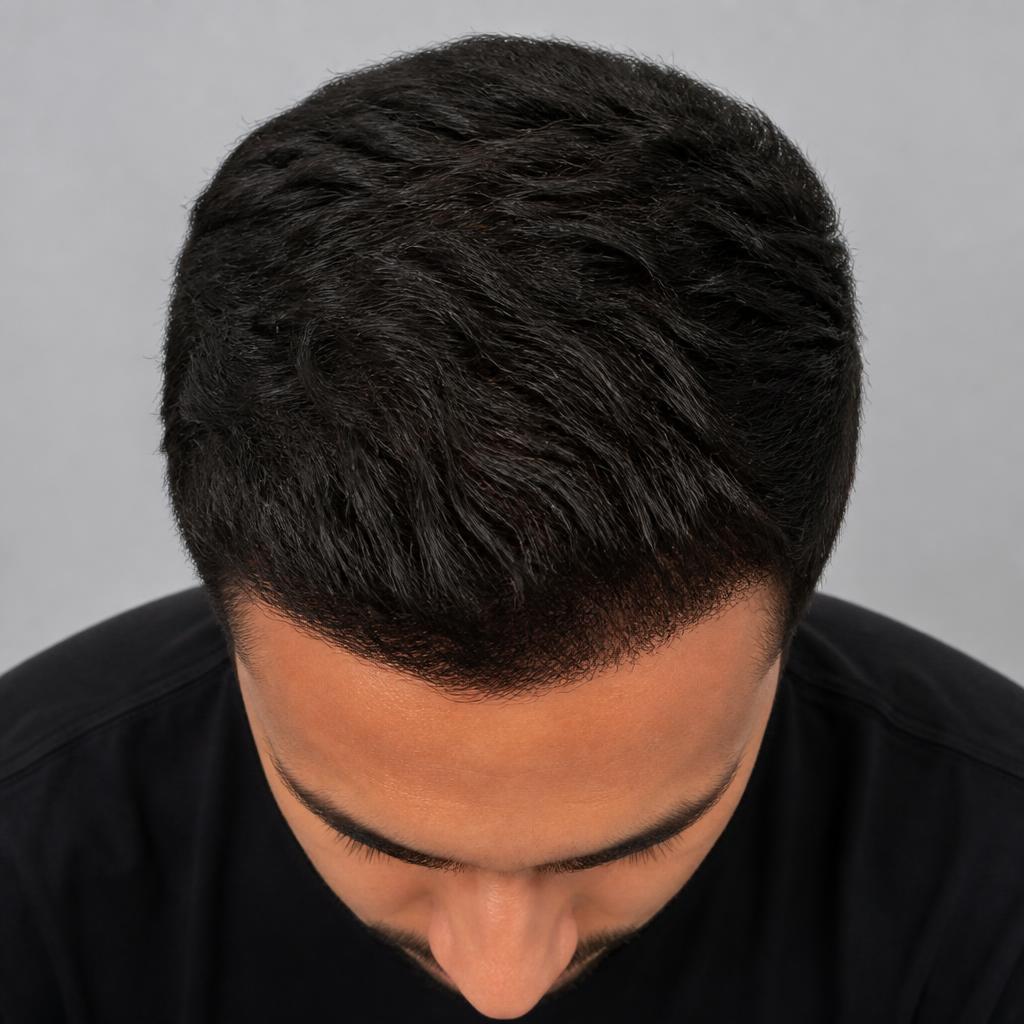
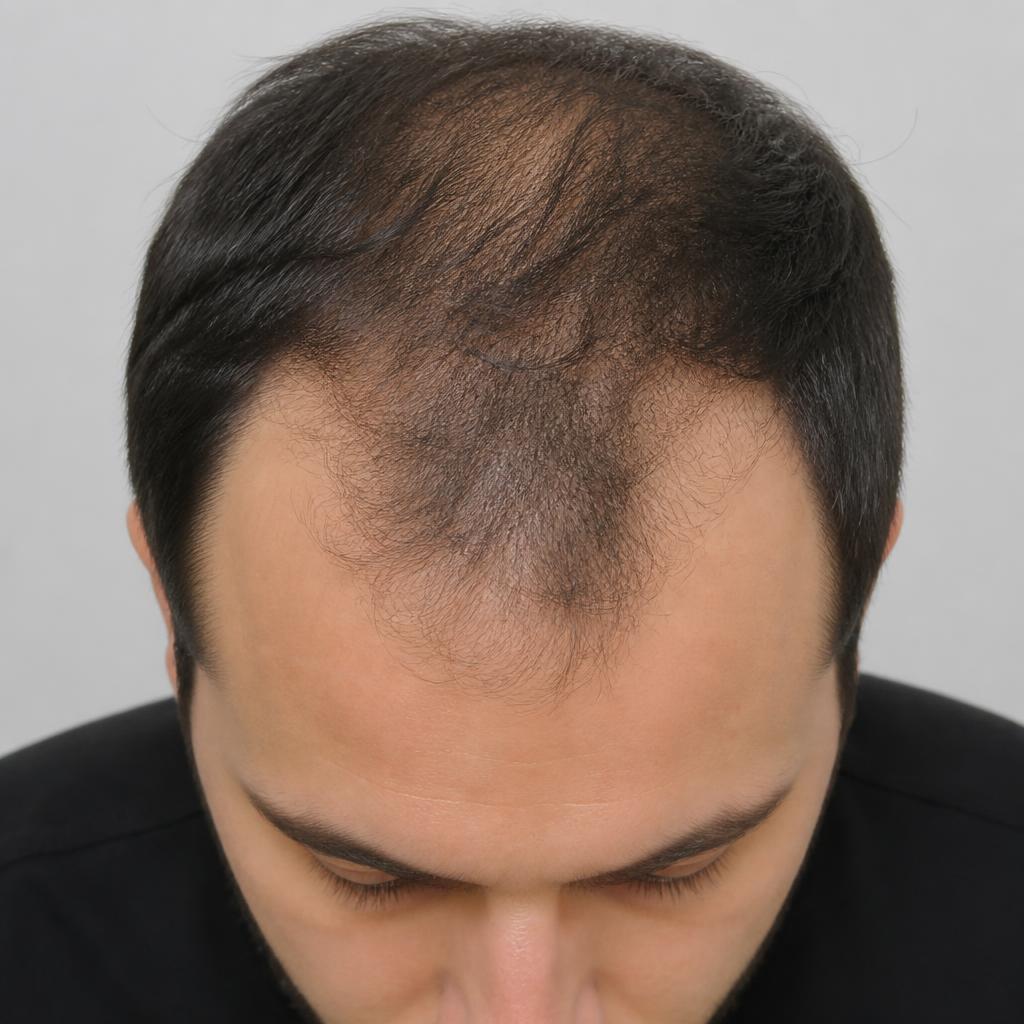
Drag the handle to compare
Upload a scalp photo and our AI estimates graft count, density and coverage — with a before / after preview in under a minute.
Start free scanTake a front or side photo of your scalp in even light, without a hat, and upload it straight from your phone or desktop.
The vision model maps hairline recession, crown thinning and donor density, and matches the pattern to a Norwood scale stage.
An image model renders realistic post-transplant coverage on your own photo, with an estimated graft range you can take to a clinic.
A follicle-density model reads your recession pattern and returns a realistic graft range per zone.
We simulate achievable coverage from your own donor area — no stock photos, no over-promised hairlines.
Images are processed in your browser. Nothing is uploaded to a server unless you ask for a clinic review.
Take the zone breakdown to any surgeon and compare quotes with real numbers in hand.
An AI hair transplant simulation is a computer-generated preview of how your hair could look after a restoration procedure. Instead of browsing generic before/after galleries, a vision model reads the thinning zones in your own photo — hairline shape, temple recession, crown coverage — and an image model renders a plausible result on that same image. It is a visual expectation tool, produced in seconds in your browser.
A visual simulation answers 'how might this look?'. Clinical graft planning answers 'what is surgically possible for you?'. A surgeon measures donor density under magnification, assesses scalp laxity, hair calibre, age and the likely progression of loss, then designs a hairline and graft distribution. ScalpReal's graft range is a photo-based estimate meant to frame that conversation — not to replace the measurement.
People early in their research who want a realistic reference point before booking consultations; patients comparing quotes from several clinics who need a number to sanity-check proposals; anyone hesitant about surgery who wants to see the aesthetic direction first; and people who simply prefer a private, web-based tool over sending photos to a clinic before they are ready.
A hair transplant is one of the most significant aesthetic and financial decisions a person makes. Until now, most people had to rely on generic before/after galleries online, without knowing how a result would look on their own head shape and hair pattern. ScalpReal combines computer-vision analysis with an AI image model: it reviews the thinning zones in your photo, estimates the graft range and density needed for coverage, and renders a realistic preview of the outcome on your own image. The goal is transparency — narrowing the gap between expectation and reality before you ever sit in a consultation chair.